How to Write a Winning CV for the Nigerian Job Market
Crafting a compelling Curriculum Vitae (CV) is your critical first step toward landing a job in Nigeria’s competitive market. With recruiters often making decisions in as little as 15-30 seconds, your document must be concise, keyword-rich, and strategically structured to showcase your value. This guide provides the essential steps and local insights you need to create a CV that gets noticed.
Choosing the Right Format and Structure
Your CV’s format should align with your industry and career level. In Nigeria, the reverse-chronological format—listing your most recent experience first—is the most common and widely accepted.
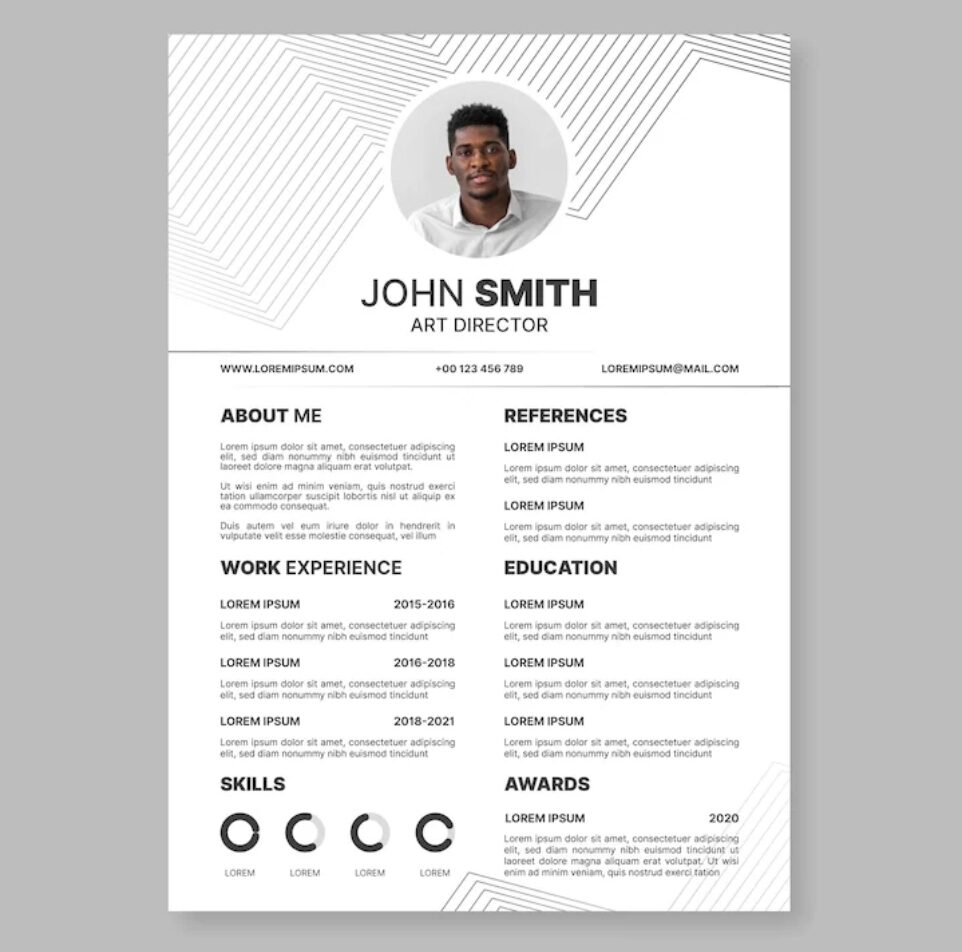
| CV Format | Best For | Key Characteristics |
|---|---|---|
| Reverse-Chronological | Most industries; shows clear career progression. | Lists work history from most to least recent. Highly scannable. |
| Functional (Skills-Based) | Career changers, those with gaps in employment. | Emphasizes skills and achievements over linear work history. |
| Combination/Hybrid | Mid-career professionals with strong skills and experience. | Balances a strong skills summary with reverse-chronological work history. |
| Modern/Creative | Creative, tech, marketing, and design roles. | Features clean layouts, smart use of colour, and simple designs. |
| Traditional/Conservative | Law, finance, accounting, government, healthcare. | Uses a formal, classic style, often in black and white with standard fonts. |
Regardless of format, maintain a professional structure. Use clear headings, bullet points for readability, and keep the length to 1-2 pages for early to mid-career professionals, extending to 3 pages only for very senior roles.
Essential Sections of a Nigerian CV
A winning CV is built on well-executed core sections.
-
Contact Information & Professional Title: Prominently display your full name, a professional email address, an active Nigerian phone number, and your location (e.g., Lagos, Nigeria). Include a link to your optimized LinkedIn profile. Adding your target job title just below your name instantly signals your professional identity.
-
Professional Summary: Replace generic career objectives with a powerful, 3-4 line summary. This should be a snapshot of your years of experience, key skills, and major achievements tailored to the job you want.
-
Work Experience: This is the most critical section for experienced candidates. For each role, list your job title, company name, dates of employment, and 3-5 bullet-point achievements.
-
Use action verbs like “Managed,” “Developed,” “Increased,” or “Implemented”.
-
Quantify your results wherever possible. For example, “Increased sales by 25% within six months” is far more impactful than “Responsible for sales”.
-
-
Skills: Create a dedicated section for both hard skills (e.g., Python, QuickBooks, Digital Marketing) and soft skills (e.g., Leadership, Problem-Solving). Tailor this list using keywords from the job description.
-
Education: List your academic qualifications in reverse order, including the degree, institution, and graduation year. For recent graduates, you can include relevant coursework or your final-year project.
-
Certifications & Training: Nigerian employers highly value professional development. Include relevant certifications (e.g., ICAN, PMP, Google Digital Skills).
Key Strategies for Success in Nigeria
To truly stand out, incorporate these targeted strategies:
-
Optimize for Applicant Tracking Systems (ATS): Over 90% of large companies use ATS software to filter CVs. To pass this digital gatekeeper, naturally integrate keywords and phrases from the job description into your summary, skills, and experience sections. Use standard fonts (like Arial or Calibri) and avoid complex tables or graphics that can confuse the system.
-
Adapt for the Nigerian Context: Understand local expectations. Some employers may request a biodata sheet alongside your CV, which includes personal details like date of birth, marital status, and next of kin. Only include such personal information on your main CV if it is explicitly requested. Furthermore, listing all substantial and relevant work experience is appreciated, as Nigerian recruiters often value demonstrated experience.
-
Handle Lack of Experience: If you are a fresh graduate, shift focus from formal jobs to relevant experience. Highlight leadership roles in student organizations, volunteering, internships (like SIWES), and academic projects. Frame these experiences with achievements: “Led a team of 4 for a final-year project that improved a process by 15%”.
Common Mistakes to Avoid
Avoid these pitfalls that can disqualify strong candidates:
-
Using a Generic CV: Tailoring your CV for each application is non-negotiable. A one-size-fits-all CV appears lazy and unfocused.
-
Poor Presentation: Spelling errors, inconsistent formatting, and unprofessional email addresses (like [email protected]) create a terrible first impression. Proofread meticulously.
-
Including Irrelevant Information: Avoid listing your WAEC results, all secondary school details, hobbies, or reasons for leaving past jobs unless specifically relevant. For references, simply state “Available upon request”.
-
Exaggerating or Lying: Always be honest about your qualifications and experience. Discovered falsehoods will immediately terminate your candidacy and damage your reputation.
By combining a strong structure with quantified achievements, careful keyword optimization, and an understanding of the local job market, you can transform your CV from a simple summary into a powerful tool that opens doors to your next career opportunity in Nigeria.